
With all the new technology and design options available, some designers are taking advantage of it more than others. So what can you expect to see for the web the rest of the year?
I’ve scoured the internet for what we think will be some of the biggest trends in web design in 2022-2023, as well as how you can get started with them today.
1. Animated graphics
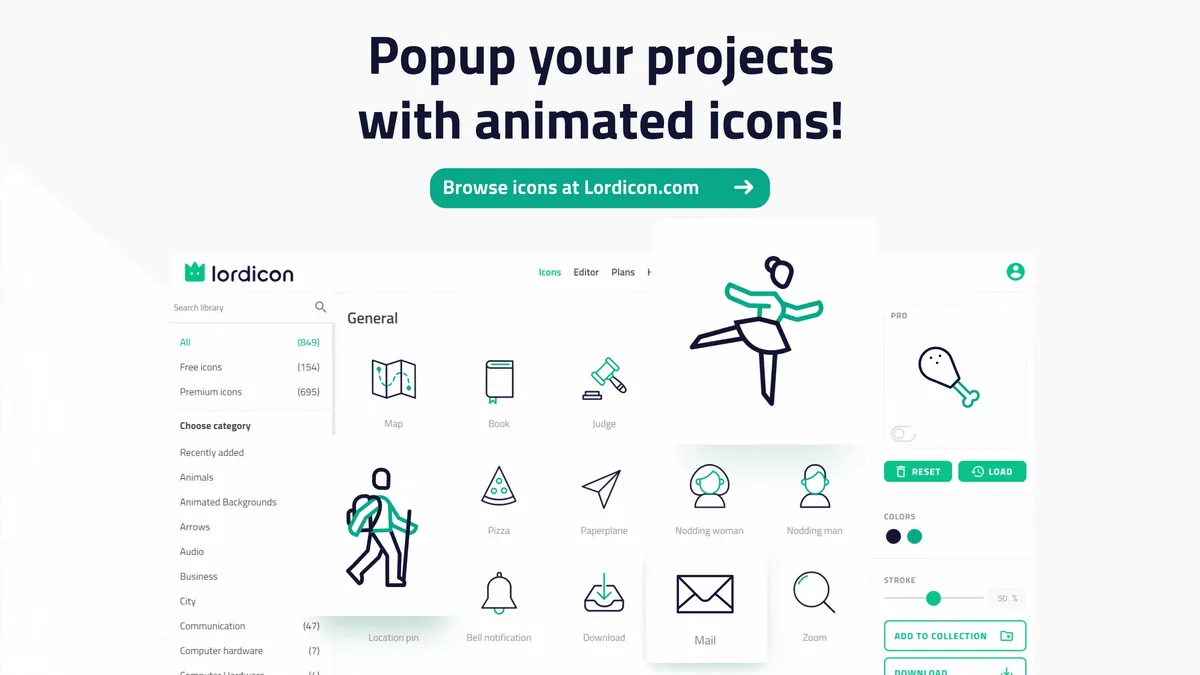
You could use animation to communicate a message or to add interest to your design. You might also use it to help users understand a process, or simply make a design more interactive. Animated graphics can serve as an alternative to live-action video, which is very expensive and time-consuming.
Animation also adds visual interest and can be used to create memorable characters that customers will remember longer.
2. Dark mode
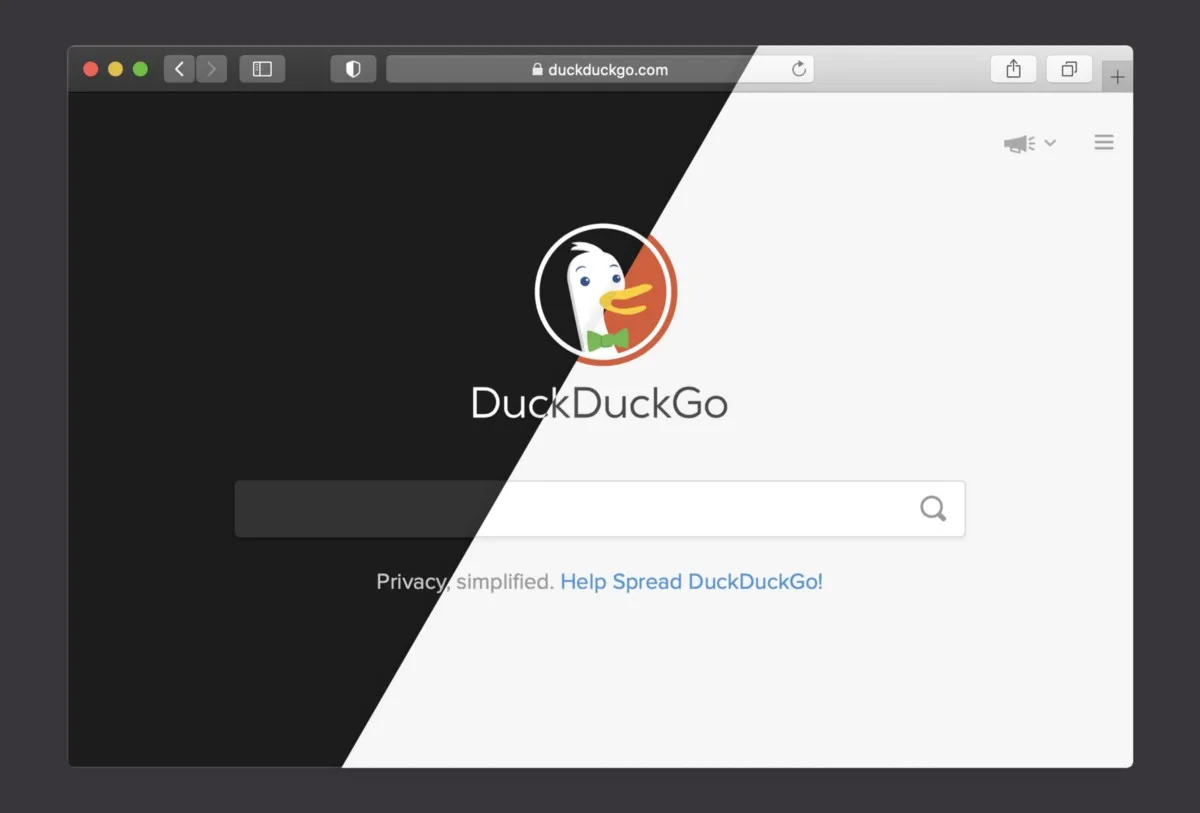
Dark mode is a popular design trend. It can be used for different purposes and on different devices, and it’s easy on the eyes and the battery.
In fact, dark mode has been around for some time now, with Apple introducing its own version of dark mode in macOS Mojave. Google has also introduced a dark theme for Chrome as well as other apps such as Gmail and Inbox by Gmail (the latter of which is no longer available). YouTube also recently added support for a darker theme that can be enabled via their settings panel.
The reason why so many web companies are embracing this new approach to design is that it makes sense: if you’re designing a website or app where users need to view content at night or in dimly lit environments where there isn’t enough light to see what they’re doing without straining their eyes too much then having everything displayed against a bright background won’t make sense at all! Instead, using lighter colors will help preserve battery life while still ensuring that people aren’t squinting when using their phones – something we’ve all done before when trying out new apps!
3. Asymmetric designs
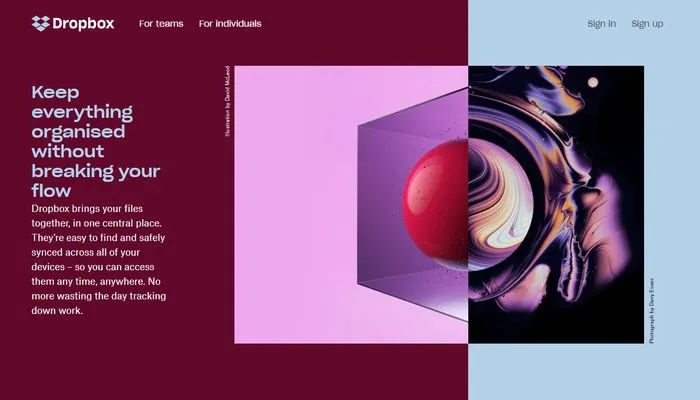
Asymmetric designs are on the rise. This is because asymmetric designs are more creative, and can be used to create a more modern and techy feel. Asymmetric designs are also likely to catch the eye of the viewer, making them an excellent way to engage customers in your web design. Finally, asymmetric designs can be used to create a more inviting atmosphere for users by breaking up large areas of space with interesting shapes.
4. Custom illustration
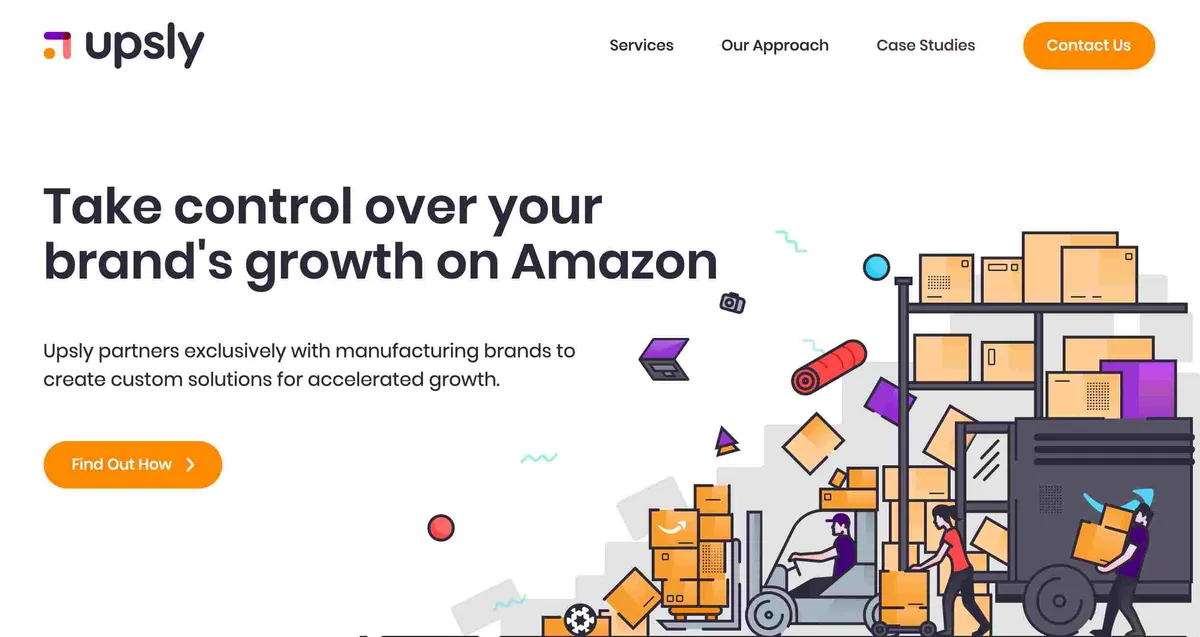
We’ve heard it all before: “custom illustration is a great way to create a unique brand identity.” While this statement is true, it’s also boring and obvious. With custom illustration, you can create a truly unique brand identity that stands out from the crowd.
Think about it: if you use stock imagery in your marketing materials and website, someone else will be using the same images. Your users are likely to come across other businesses that look just like yours—and they’ll probably think you’re a clone of those businesses as well! On the other hand, if you use custom illustration on your web pages and in advertising campaigns, each piece will feel fresh and original because nobody else has used these illustrations yet (or at least not quite like this).
Custom illustrations can also help improve user experience by providing better visuals for people with special needs such as dyslexia or color blindness. Comics have been successfully used as teaching tools since they were first invented back during World War II; today’s comics continue to be used for this purpose because they simplify complex ideas into easily digestible chunks of information which allows even those with serious learning disabilities access them easily understand what’s going on without needing much effort at all! By creating custom comic strips based upon real life experiences instead
5. Vivid colors
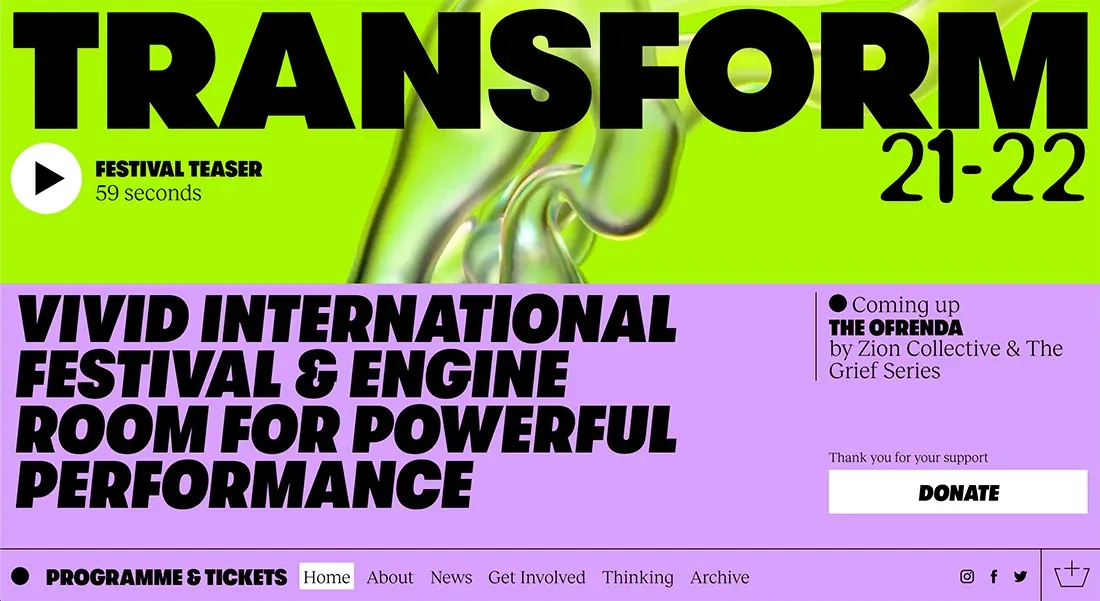
Vivid colors are a great way to catch your visitor’s attention. They’re also important in creating contrast and thus giving the necessary visual cues to help users understand where they are on the page, what links they can click on, and so on. Vivid colors also work well in establishing a sense of motion and depth thanks to their vibrancy; when you look at them, you can almost feel as if they’re moving or coming toward you. And finally, vivid colors have a greater sense of warmth than muted ones do—they make people feel more comfortable while browsing your website or app because it feels more like home!
6. Interactive elements
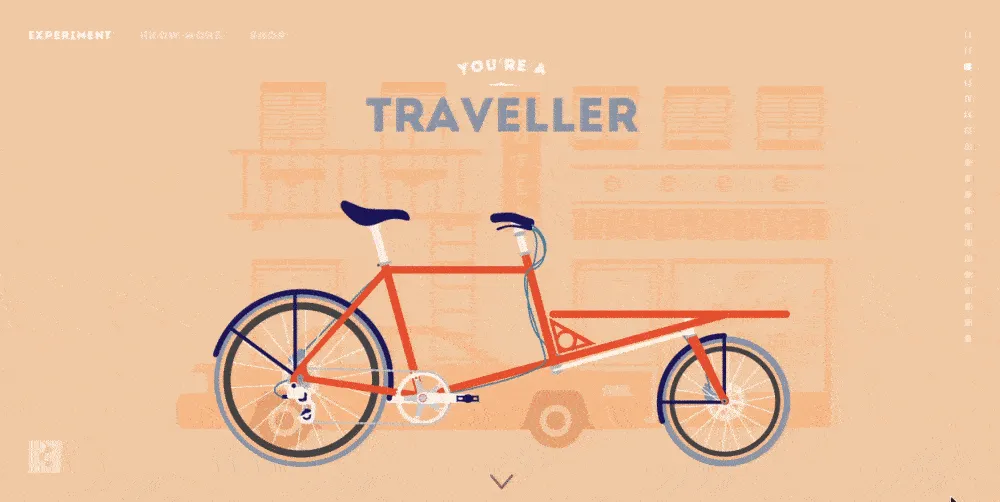
Interactive elements are the bread and butter of today’s digital world. They’re the key to making your website stand out, be engaging, and encourage visitors to take action. Interactive elements are also great for increasing your email signups, which means more leads for your business!
Take these trends into consideration if doing any web design work in the next year or so.
If you are a designer, these trends give you a great opportunity to create something unique and engaging for your audience. If you are in charge of the design of your company’s website or app, use the list as inspiration for new web content.
It is also good to keep track of what other designers are doing so that you have an idea of what works and what doesn’t work on the current web landscape. It can help refine your own ideas as well as keep up with industry standards and best practices when creating new sites for clients or even for yourself if it’s just for fun!
I hope you enjoyed learning about these web design trends for 2022. As you can see, each one is unique and offers something special to help your website stand out from the crowd. We’re excited to see what comes next in this ever-changing industry!